

Download Half-Life 2 – FPS, Valve, Gordon Freeman, physics-based gameplay, immersive world, single-player campaign, multiplayer, expansion packs, classic game
Overview
Half-Life 2, developed by Valve Corporation, stands as a landmark title in the first-person shooter (FPS) genre, redefining what was possible in narrative-driven gaming. Released in 2004, the game places players in the role of Dr. Gordon Freeman, a theoretical physicist thrust into a dystopian future where Earth has been conquered by an alien regime known as the Combine. The game’s core purpose lies in delivering a deeply immersive single-player campaign that blends cinematic storytelling with innovative gameplay mechanics. It addresses the limitations of earlier FPS titles by integrating environmental storytelling, dynamic physics, and a compelling protagonist whose journey unfolds through a richly detailed world.
Target users include long-time fans of the original Half-Life, genre enthusiasts, and players seeking a mature, story-focused experience. The game’s relevance persists in today’s gaming ecosystem, where narrative depth and player agency are highly valued. Real-world use cases include educational demonstrations of game design evolution, as well as a benchmark for physics integration in interactive media. Despite its age, Half-Life 2 continues to be celebrated for its influence on modern game development, particularly in how it merged narrative, environment, and gameplay into a cohesive whole.
Key Features & Functionality
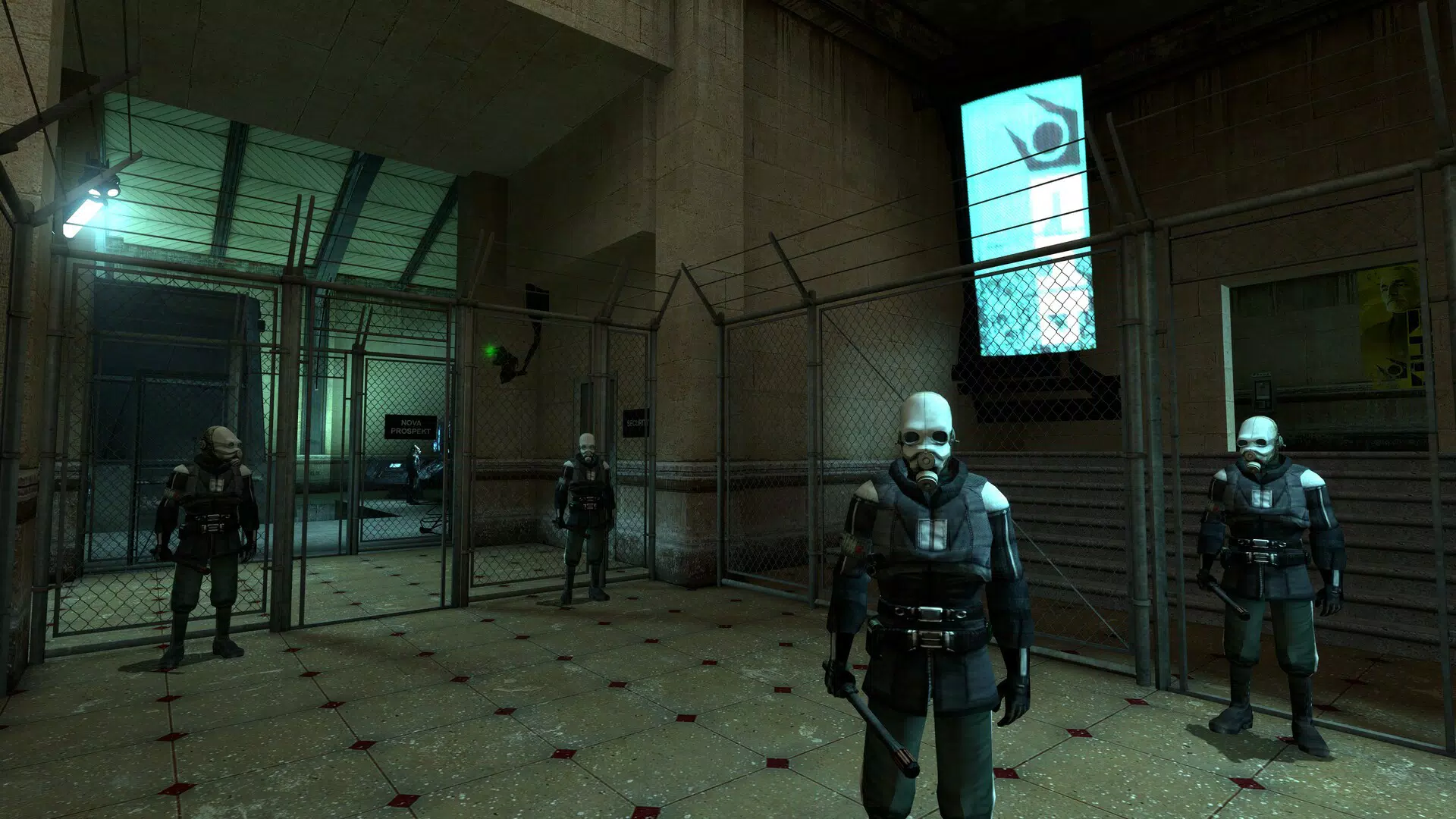
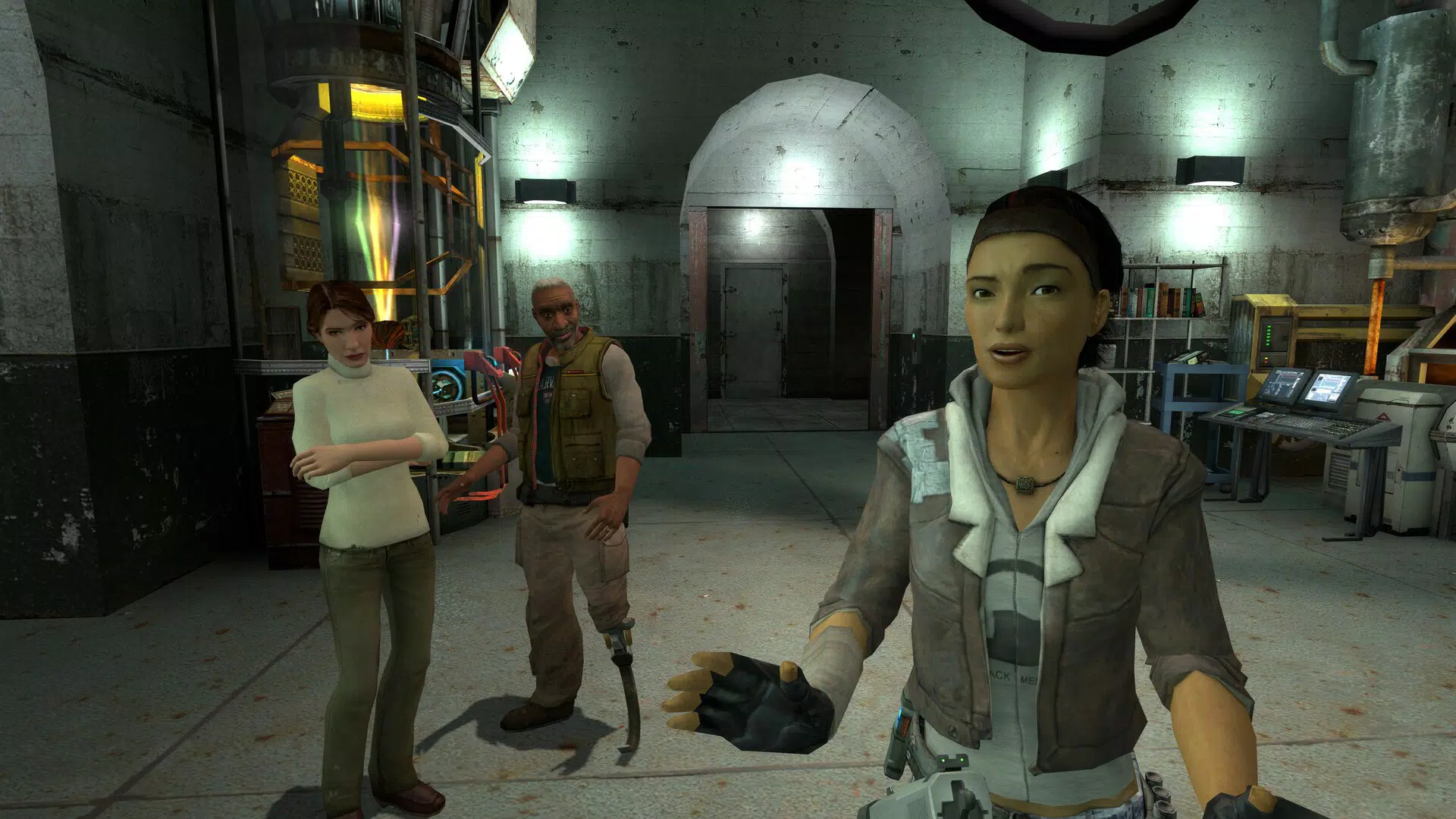
- Immersive World-Building: The game constructs a fully realized post-apocalyptic Earth, where every detail—from decaying urban environments to interactive NPCs—contributes to the atmosphere. Players encounter citizens of City 17 who react to the player’s presence, offering subtle narrative cues and world context.
- Innovative Physics Engine: Powered by the Source engine, Half-Life 2 introduced a physics system that allowed players to manipulate objects in real-time. This enables creative problem-solving, such as using barrels as projectiles or stacking crates to reach higher platforms.
- Compelling Narrative Structure: The story unfolds through environmental storytelling and scripted sequences, avoiding heavy exposition. Players piece together the world’s history and the fate of humanity through visual cues, dialogue, and character interactions.
- Expansion Packs (Episodes One and Two): These sequels continue Gordon Freeman’s journey, maintaining the same high production quality. They expand the lore, introduce new enemies, and deepen character arcs, offering extended gameplay beyond the original campaign.
- Multiplayer Mode (Half-Life 2: Deathmatch): This mode leverages the same physics engine, allowing players to use environmental objects as weapons. The chaotic, physics-driven combat introduces unpredictability and strategic depth rarely seen in traditional deathmatch formats.
These features collectively offer a gameplay experience that rewards observation, experimentation, and strategic thinking. For example, players can use the gravity gun to pull enemies toward them or redirect energy beams, turning the environment into a dynamic tool. This level of interactivity remains a defining characteristic of the game’s enduring appeal.
Interface, UX & Performance
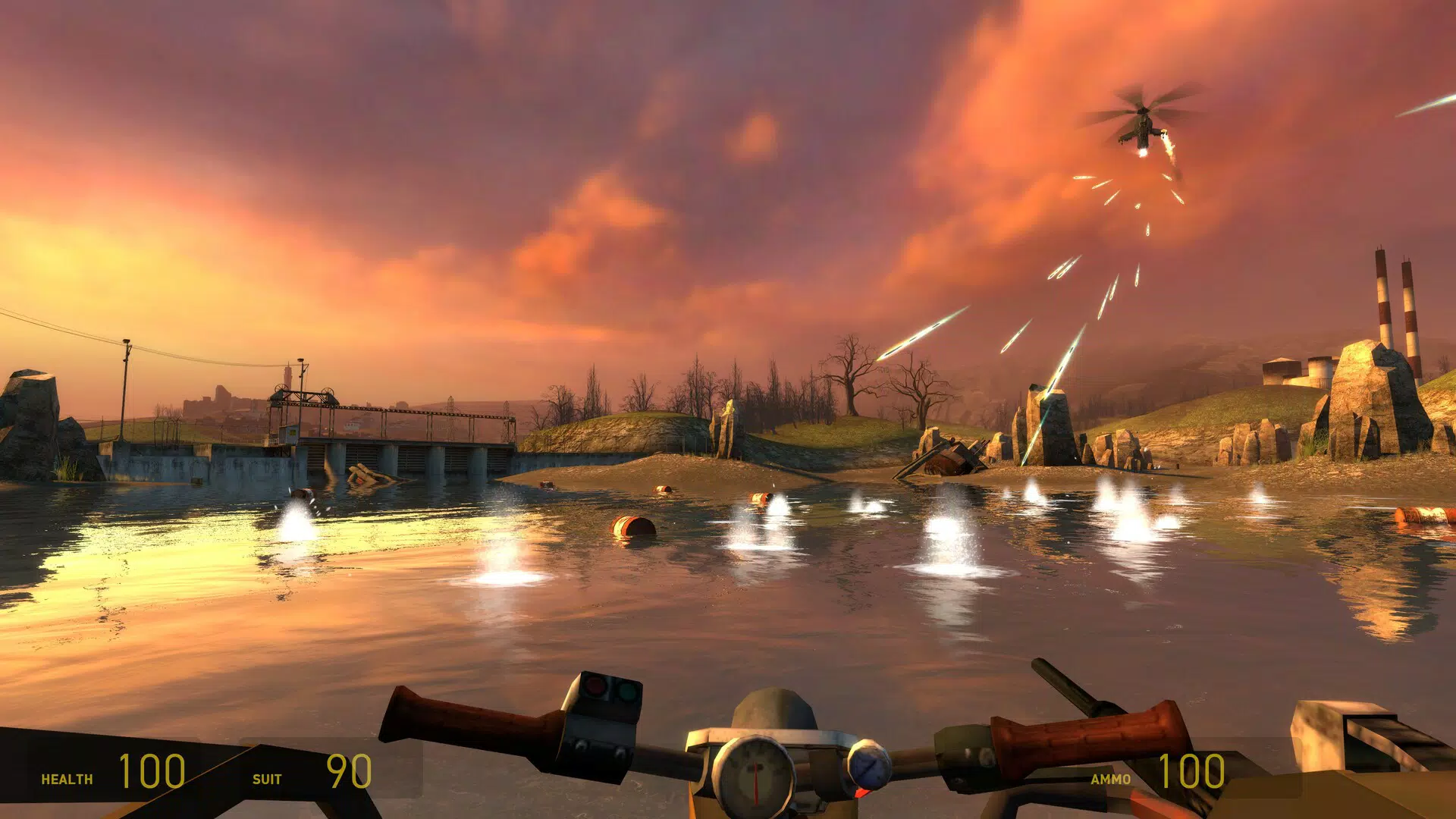
Half-Life 2 features a minimalist HUD that prioritizes immersion, displaying only essential information such as health, ammo, and inventory. The interface is intuitive, with context-sensitive actions that reduce the need for manual menu navigation. Players interact with the world through direct physical engagement—picking up objects, using tools, and triggering events—creating a seamless flow between action and environment.
Navigation is guided by clear visual cues and environmental progression, ensuring players rarely feel lost. The game’s pacing is deliberate, balancing combat, exploration, and narrative beats. Although the developer did not list formal performance metrics, the game is known to run on a wide range of Windows systems, including older hardware, thanks to its efficient engine design. Responsiveness is strong, with minimal input lag, and stability is generally reliable, especially in single-player mode.
Performance on modern devices may vary depending on system configuration, but the game’s engine has been optimized through community patches and official updates. The lack of real-time online features in the original release means the experience remains consistent across sessions, with no connectivity issues affecting gameplay.
Platform Compatibility & Technical Requirements
Half-Life 2 is designed for the Windows platform and requires a compatible version of the operating system. The game’s file size is 15 GB, indicating a substantial installation footprint due to high-quality assets, audio, and physics data. The software version is 2.0.0.1, suggesting multiple updates have been released since its initial launch.
The developer did not specify minimum OS requirements, but given the game’s release date in 2004, it is expected to be compatible with modern Windows versions through backward compatibility features. However, users should verify system compatibility, especially when running on newer hardware configurations. No additional hardware requirements were provided, though a capable graphics card and sufficient RAM are recommended for optimal performance.
Pros and Cons
Pros
- Groundbreaking physics-based gameplay that remains innovative decades later
- Deep, narrative-driven single-player campaign with strong character development
- Expansive content through official expansion packs (Episodes One and Two)
- High replay value due to environmental interactivity and multiple solutions to challenges
- Established legacy and continued community support through mods and updates
Cons
- Large file size (15 GB) may be prohibitive for users with limited storage
- Original release date means outdated graphics by modern standards
- No native mobile or console versions available
- Multiplayer mode lacks modern matchmaking and online features
- Requires a Windows system, limiting accessibility on other platforms
FAQ
Is Half-Life 2 available for free?
Half-Life 2 is not free; it is priced at $29.99. However, it may be available through promotional offers or digital storefronts like Steam, where it is often included in bundles or sales.
Can I install Half-Life 2 on Android or iOS?
No, the game is currently only available for Windows. There are no official mobile versions for Android or iOS, and the developer has not announced plans for such releases.
What are the system requirements for Half-Life 2?
The developer did not specify minimum OS requirements. However, the game’s file size of 15 GB and release date suggest it runs on modern Windows systems, though performance may depend on individual hardware.
Is Half-Life 2 still receiving updates?
Official updates have ceased since the game’s initial release. However, the community continues to support the game through mods, patches, and fan-made content.
How does the physics engine enhance gameplay?
The physics engine allows players to interact with objects in the environment in realistic ways. This enables creative solutions to puzzles and combat, such as using the gravity gun to manipulate debris, enemies, or weapons, adding strategic depth to gameplay.
Final Thoughts
Half-Life 2 remains a cornerstone of modern gaming history, combining narrative ambition with technical innovation. Its physics-based gameplay, immersive world, and compelling story have influenced countless titles across genres. While its age shows in visual fidelity, the game’s core design principles—player agency, environmental storytelling, and dynamic interaction—remain relevant today.
It is ideal for fans of classic FPS games, narrative-driven experiences, and players interested in the evolution of game design. The inclusion of expansion packs and multiplayer modes adds lasting value, making it a complete package despite its age.
Download Half-Life 2 now


